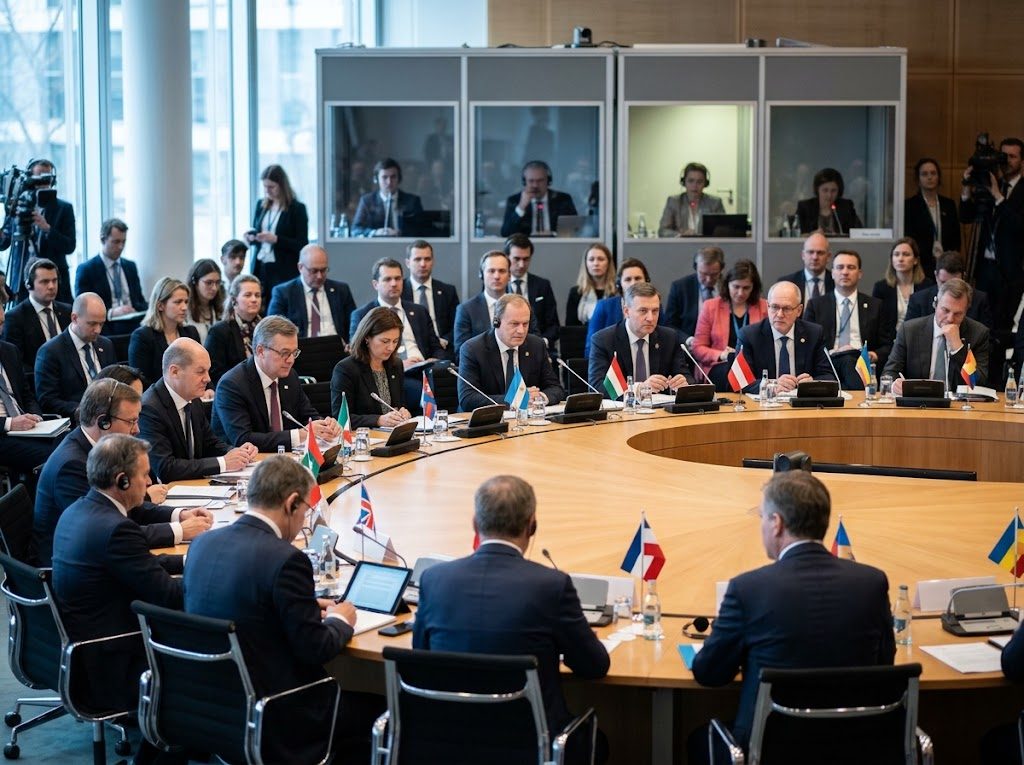
When heads of state meet to end a conflict or settle a border dispute, cameras focus on the handshake and the signing ceremony. Few viewers notice the people sitting just behind the leaders or inside the glass booths at the back of the room. Yet without them, most high-level talks would not be possible at all.
Interpreters carry every proposal, warning and concession from one language to another in real time. In diplomacy, a single mistranslated word can stall negotiations for days or quietly change what each side believes it has agreed.
The invisible third party in the room
Many leaders speak some English, and it can be tempting to hold meetings without language support. Experienced diplomats rarely do this for serious discussions. Speaking in your own language lets you choose words precisely, and it gives you a few extra seconds to think while the interpreter renders your counterpart’s reply.
That pause is a strategic tool. It allows delegations to read body language, consult notes and avoid answering too fast. In tense moments, it can cool the temperature of an exchange simply by slowing it down.
Simultaneous and consecutive interpreting
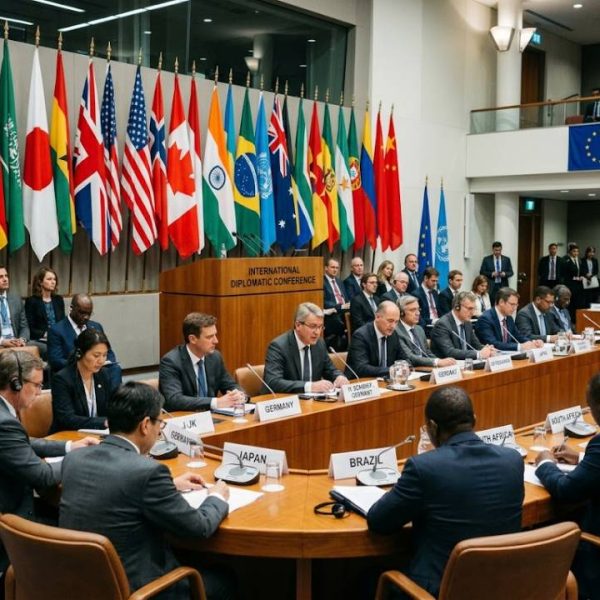
Large conferences such as UN sessions use simultaneous interpreting. Professionals in soundproof booths listen through headphones and speak the translation into a microphone with a delay of only a few seconds. Delegates choose their language channel on a small receiver.
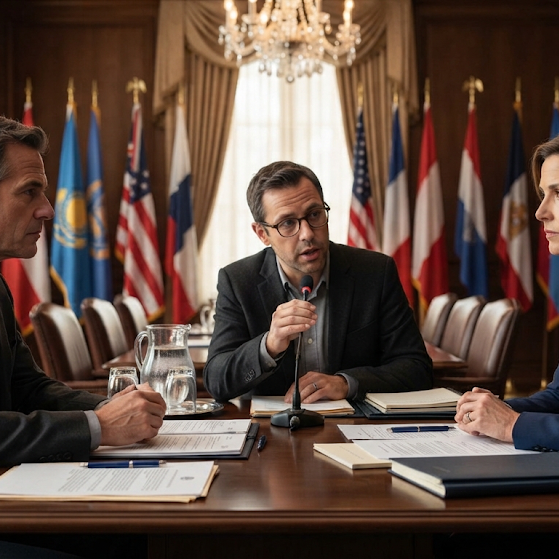
Bilateral meetings between two leaders often use consecutive interpreting instead. The speaker pauses every few sentences and the interpreter renders the passage, usually from detailed notes. It takes longer, but it offers precision and a more personal atmosphere, which suits sensitive conversations.
When words carry political weight
Diplomatic language is full of carefully chosen ambiguity. A text may say parties will “consider” an action rather than “commit” to it. The difference is deliberate. An interpreter who makes the statement sound firmer or softer than intended can create expectations that the speaker never meant to set.
History offers many examples. Cold War exchanges between Moscow and Washington were sometimes inflamed by renderings that sounded more aggressive in translation than in the original. Since then, foreign ministries have invested heavily in training interpreters who understand politics as well as languages.
Preparation behind the scenes
Before a summit, interpreters receive briefing documents, speeches, background notes and glossaries. They study the names of officials, place names, treaty references and technical vocabulary on topics such as energy, trade or arms control. Good preparation is what allows them to sound effortless on the day.
Professional bodies like AIIC, the International Association of Conference Interpreters, set standards on working conditions, team size and confidentiality. Their rules exist because fatigue quickly reduces accuracy, so simultaneous interpreters usually work in pairs and switch every half hour.
Neutrality and confidentiality
Interpreters hear everything, including remarks that never reach the press. Strict confidentiality is part of their professional ethics. Many governments use their own staff interpreters for the most sensitive talks so that they can rely on security clearances and long-term loyalty.
Neutrality is equally important. The interpreter must render tone and meaning faithfully, even when a leader says something undiplomatic. Softening an insult may seem helpful in the moment, but it misleads the other side about the real state of the relationship.
The language of diplomacy has changed
For centuries, French dominated treaties and international correspondence. English gradually took over in the twentieth century, but French remains an official working language of the United Nations, the European Union and many other organisations. Its legacy lives on in words like communiqué, détente and rapprochement.
The PoliLingua article on French as the language of diplomacy traces how this tradition developed and why it still influences diplomatic culture today.
Beyond summits and treaties
Interpreting is not limited to presidents and foreign ministers. Peacekeeping missions rely on local interpreters to speak with communities. Humanitarian agencies need them in refugee camps. Election observers, war crimes tribunals and trade delegations all depend on accurate spoken translation.
Businesses involved in reconstruction or international projects face similar needs on a smaller scale. Working with experienced interpreters ensures that meetings with officials, partners and local stakeholders run smoothly and that nothing important is lost between languages.
Technology and the future of the profession
Automatic speech translation has improved quickly, and some conferences now experiment with it for low-stakes sessions. For negotiations, however, governments remain cautious. Machines struggle with irony, cultural references and deliberate vagueness, and they cannot be held accountable for an error.
Remote interpreting platforms, by contrast, have become common since 2020. Interpreters can now work from hubs far from the meeting room. The technology changes the setting, but the core skill of understanding intent and conveying it faithfully remains human.
Peace is negotiated in words, and words need people who understand them deeply. The next time a historic agreement is announced, it is worth remembering the professionals who made every sentence of it understandable on both sides of the table.